
Concrete Pavers Design & Install
Time To Remodel With Concrete Pavers
Concrete Paving Stones Estimates
Durable & Quality
Backyard, Patio, Walkways, Driveways
Licensed & Insured
Quality and Perfomance
Why Choose Paving Stones For Your Remodel
The use of concrete pavers for remodeling and updating your home is becoming a very popular choice. They are not only beautiful to look at but they are durable and last for years.
Tearing down your old driveway and walkway, re-doing, and replacing it with high-quality and natural-looking concrete paving stone we can definitely help you.
Spokane Pavers and our team of professionals highly recommend these stones for your driveway and walkway project. Aside from the stylish look, it gives to every application, pavers can support heavy traffic that comes from vehicles or cars.

Spokane's Best Paving Stone Contractors
Aside from the durable characteristic of pavers, it has a wide variety of designs and styles to choose from. It is the reason why many homeowners are thrilled to upgrade their driveways or even outdoor spaces. Now that you already know the features and advantages of having pavers driveways. Let’s discuss what is the possible maintenance for it. Do you think maintaining a paver can cost you more? The answer is no!

Walkway Redesign & Installation

Landscape Lighting & Stones
River Rock, Pebbles & Pavers
Pavers & Paving Stone Projects
Check Out Some Of Our Recent Projects & Remodels


What We Use To Create Concrete Paver Projects
Aside from pavers, sand also plays important product use in pavers projects. Sand got two applications on your project; the beddings and the fillers.
Contractors use sand for their installation to create bedding in which the pavers will lay, this will work as a cushion to distribute loads and helps to maintain leveling. On the other hand, sand is used to intact the joints of pavers.
Joints will keep the interlocking pattern of your project. This will ensure that pavers won’t move and keep insects out and prevent weeds from growing in between pavers.
However, when choosing sand for your remodeling, the main concern is the functions of the materials. Determining the advantage of the materials joints sand should not be washed away with the wind or heavy rain. This will prevent you to add cost to your maintenance

Best Fillers To Lock Paver Together
When layering the pavers together, different kinds of sand will make your installation of pavers remain stable and firm. To know more about the right option for your concrete pavers we will help you weigh the options that will suit the project. We have the lists of some best options of fillers for your pavers project.
Coarse Granular Sand
Or river-washed sand works well with your paver joints. The flexibility of this product makes it perfect for beddings and joints. A layer of sand in the bedding keeps the pavers in place. Aside from that, the sand is selected for each of these purposes and carefully chosen to meet specific needs. Through this, it will ensure that it is not time-consuming when installing and will give the most benefit from the project. Just ensure that the sand is dry before using it to fill the joints of the pavers, wet sand makes clumps and air bubbles result.
Polymeric Sand
is far the better option for your joints. Although it is a bit expensive and pricey, it also requires more time and attention but likely gives you much more satisfaction with the result. Polymeric sand is a product designed to resist weed growth. And also to harden and stay in place for a long place. Polymeric sand also works with small pavers joints providing extra adhesive. Aside from that, this sand is made from organic components having the ability to “self-heal” making a solid water-resistant.
Fine Sand or Kiln Dry Sand
Is a common type of sand that is used to fill the joint of a paver. It is very fine and contains no moisture, making them perfect for filling in the joints between paving slabs. Kiln sand keeps the structure of the paving rigid and durable. In addition, fine sand has a drawback. Using fine sand as your fillers won’t help pavers stay locked together for a long period. Also, this sand doesn’t have the same friction as coarse sand meaning, it doesn’t hold pavers as tightly in place.
.
These are the sand that can be used to fill your pavers. When choosing fillers, polymeric sand is far an excellent choice for your project and it has the needed characteristics for your driveway and walkway. Polymeric is designed to address this kind of problem such as weed growth and its durable characteristic that can endure traffic
Beautiful Aesthetics, Durability & Affordable
The bottom line is choosing the right sand for your concrete will depend on your budget and the constructors, as we mentioned earlier polymeric which is the best option is a bit expensive and pricey. But will give you more benefits in the end result.
Upon hiring the constructors for your remodeling, working with Spokane Pavers will give the result you’re looking for. We can build the design you want and your money’s worth. We have a great team that can handle your renovation and will help you expand your options.
Ideas & Tips For Your Next Renovation Project
Get rid of your old backyard patio and spice-up your dull driveway with these naturally-looking paver stones.
Moving To Spokane Just Bought A Home Let Us Help On Your New Project
Spokane Pavers has been remodeling and restoring old worn out concrete and poorly finished home amenities for years! Did you know that Spokane Washington is known for the 2nd Largest Urban Waterfall in the United States, it is a one-hour drive of 76-rivers, including the gorgeous and beautiful Lake Coeur d’Alene and the crown jewel of the city, Riverfront Park, as well as dozens of rivers.
Aside from being the 2nd largest city in WA, what interesting about Spokane is that their top-rated tourist attractions have to offer to every member of the family. From outdoor adventures, that your whole will surely enjoy through a botanical garden, art museums, and so much more. Wow! What a fascinating experience if you ever have a chance to visit Spokane WA. Make our city part of your next destination!
Satisfied Clients
"Spokane Pavers did an amazing job on our driveway, walkways and backyard patio. They was professional, courteous and worked quickly."
Mike T.
Wow these guys are great! What an improvement over my old backyard!
Shannon W.
Our Blog
Visitor our blog for tips to help you keep your house in top shape.
Loose Dental Bridge in Tulsa? Find Emergency Dental Care
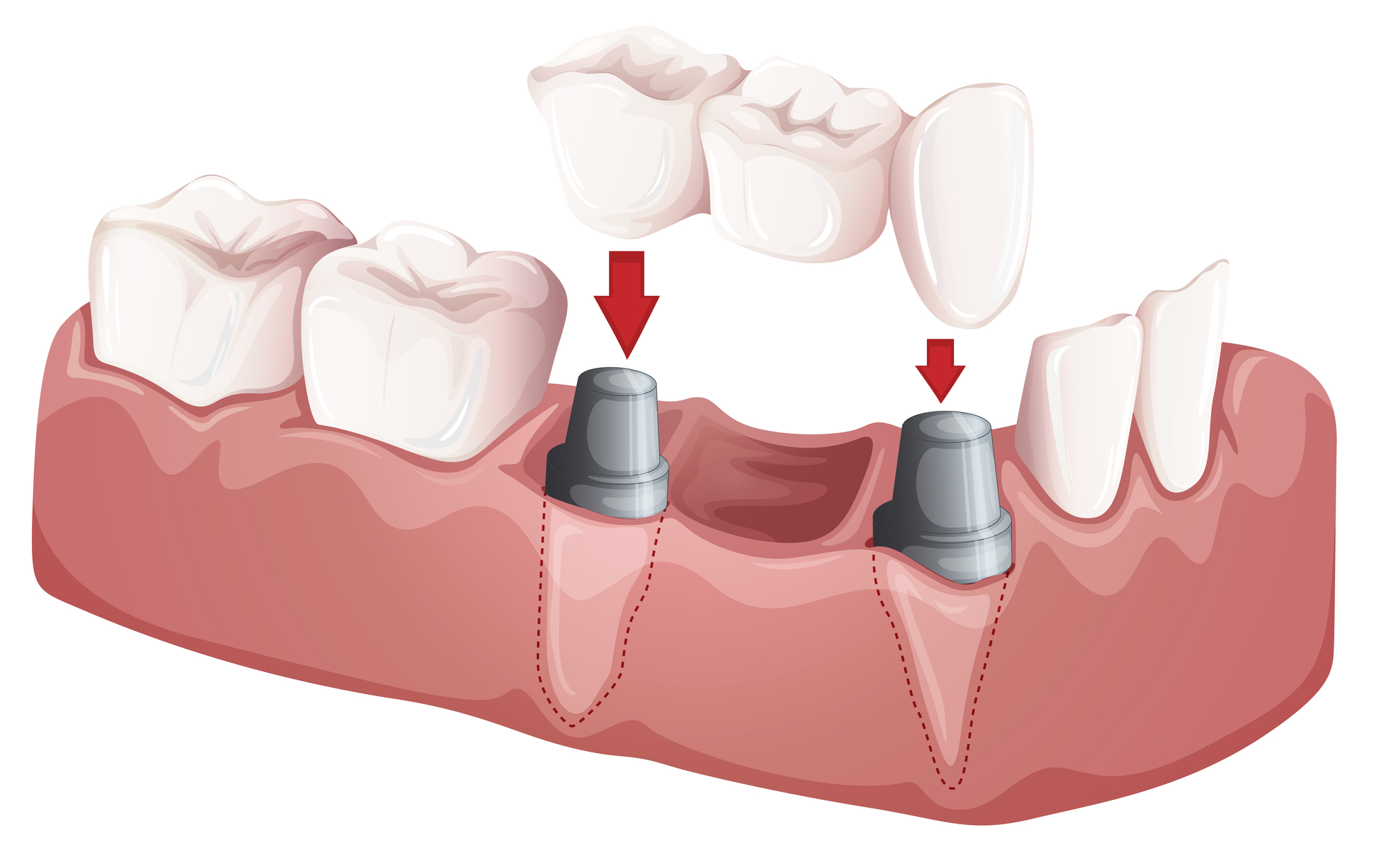
A dental bridge is designed to replace one or more missing teeth and help restore your ability to chew and speak comfortably. But when a bridge suddenly feels loose, shifts while eating, or separates from its supporting teeth, you may need prompt professional attention.
A loose bridge can expose underlying teeth, irritate the gums, or make chewing difficult. Trying to secure it yourself may cause additional damage, particularly if the supporting teeth or dental cement have been compromised.
If your dental bridge has become unstable, contact a qualified dentist for guidance. Emergency Dental Tulsa advertises phone support to help callers find emergency dental providers in Tulsa and nearby communities.
Call (918) 727-7941 for assistance locating available dental care.
When Does a Loose Dental Bridge Need Urgent Attention?
A dental bridge should feel stable during normal eating and speaking. If it begins moving, lifting, or changing position, avoid chewing with it until a dentist evaluates the problem.
Signs that warrant prompt dental attention include:
A bridge that rocks or shifts when you speak or eat.
A visible gap between the bridge and the gumline.
A supporting tooth that appears damaged or exposed.
Gum irritation, bleeding, or swelling around the bridge.
Difficulty chewing because the restoration no longer fits comfortably.
A bridge that has detached completely.
A loose bridge does not necessarily mean the entire restoration must be replaced. The problem may involve the cement, the supporting teeth, or the bridge itself.
If the bridge comes out, remove it from your mouth if you can do so safely. Keep it in a clean container and bring it to your appointment. Do not sleep with a loose restoration that could detach and create a choking risk.
If you experience significant facial swelling, difficulty breathing or swallowing, or another potentially life-threatening symptom, seek emergency medical assistance.
What Could Cause a Dental Bridge to Become Loose?
Several conditions can affect the stability of a dental bridge. A dental examination is needed to determine which explanation, if any, applies to your situation.
1. Breakdown of the dental cement
The cement securing a bridge can weaken over time. Changes in retention may allow the restoration to move or detach, even when the bridge itself appears intact.
2. Decay affecting a supporting tooth
The natural teeth supporting a bridge can develop decay around the margins of the restoration. This may weaken the tooth structure or interfere with the bridge's stability.
3. Damage to the bridge or supporting teeth
Repeated chewing forces, biting hard objects, teeth grinding, or an accidental impact may damage the restoration or its supporting structures. A crack may not be obvious without a professional examination.
4. Changes in the gums or supporting tissues
Gum disease or other changes affecting the tissues around the supporting teeth may contribute to discomfort and instability.
These possibilities require different responses. A dentist may examine the bridge, assess the supporting teeth and gums, and take dental X-rays when indicated. Avoid assuming that simply recementing the bridge will solve the problem.
What Treatments Might a Dentist Recommend?
Treatment depends on the condition of the bridge, the supporting teeth, and the surrounding tissues.
1. Recementing the existing bridge
If the bridge remains intact and the supporting teeth are healthy enough, a dentist may be able to clean the surfaces and secure the restoration again. This is not appropriate if decay or structural damage needs to be addressed first.
2. Repairing or replacing the restoration
A chipped or damaged bridge may require repair or replacement, depending on the material, the location of the damage, and the remaining structural integrity.
3. Treating a supporting tooth
If decay or infection affects a supporting tooth, the dentist may recommend a filling, root canal treatment, or another procedure before deciding whether the existing bridge can be retained.
4. Planning an alternative restoration
If the supporting teeth cannot reliably hold the bridge, the dentist may discuss another tooth-replacement approach, such as a removable partial denture or an implant-supported restoration when appropriate.
The dentist will explain the available options after evaluating the problem. Do not apply household glue or attempt to permanently reattach the bridge yourself.
What Should You Do Before Your Tulsa Dental Appointment?
Taking a few precautions can help protect the restoration and the surrounding teeth until you receive professional care.
Avoid chewing on the affected side.
Choose soft foods and avoid sticky or hard items that could pull on the bridge.
Keep the area clean with gentle brushing.
Do not repeatedly wiggle the bridge to test whether it is stable.
If the bridge detaches, store it safely and bring it to your appointment.
Contact a dentist promptly for instructions.
Do not use household adhesives, superglue, or other unapproved products inside your mouth. These materials can damage tissues and complicate professional treatment.
If the bridge is loose enough to move freely, avoid wearing it if it creates a swallowing or choking risk. Ask a dental professional how to handle it safely.
Where Can You Find Emergency Dental Care in Tulsa?
Emergency Dental Tulsa provides phone-based assistance for callers seeking emergency dental appointments. Its website lists Tulsa and nearby communities, including Broken Arrow, Owasso, Jenks, and Bixby.
When calling, explain that your dental bridge has become loose or detached. Mention whether you have swelling, a broken supporting tooth, or difficulty chewing. This information can help the service identify an appropriate provider.
Call (918) 727-7941 for assistance finding dental care. The hotline advertises 24-hour support, but in-person appointment times and treatment availability must be confirmed with the provider.
Get Help for a Loose Dental Bridge
A loose bridge should not be ignored, even if it is not causing significant discomfort. The issue may involve the cement, the restoration itself, or the teeth supporting it.
Prompt evaluation can help determine whether the bridge can be secured, repaired, or replaced.
If you are in Tulsa, Broken Arrow, Owasso, Jenks, or Bixby, contact Emergency Dental Tulsa for help locating an available dental provider.
Call (918) 727-7941 for appointment assistance and guidance on your next step.
Disclaimer: This article provides general information only and should not be construed as professional medical or dental advice, diagnosis, or treatment. Always consult with a licensed dentist or healthcare provider regarding any dental emergency or medical condition.

Professional Patio Paver Installations
We are available via fax, email or telephone
Spokane Valley & North Idaho's #1 Paving Stone Specialists!


Privacy Policy | Terms & Conditions | Disclosure
Navigation
Home
About
Blog
Contact Us
Services
Home
About
Blog
Contact Us
Working Hours
Mon - Wed 9:00 am - 9:00 pm
Thu - Sat 9:00 am - 7:00 pm
Sunday 9:00 am - 2:30 am
© 2024 All Rights Reserved | Spokane Pavers & Patios