
Concrete Pavers Design & Install
Time To Remodel With Concrete Pavers
Concrete Paving Stones Estimates
Durable & Quality
Backyard, Patio, Walkways, Driveways
Licensed & Insured
Quality and Perfomance
Why Choose Paving Stones For Your Remodel
The use of concrete pavers for remodeling and updating your home is becoming a very popular choice. They are not only beautiful to look at but they are durable and last for years.
Tearing down your old driveway and walkway, re-doing, and replacing it with high-quality and natural-looking concrete paving stone we can definitely help you.
Spokane Pavers and our team of professionals highly recommend these stones for your driveway and walkway project. Aside from the stylish look, it gives to every application, pavers can support heavy traffic that comes from vehicles or cars.

Spokane's Best Paving Stone Contractors
Aside from the durable characteristic of pavers, it has a wide variety of designs and styles to choose from. It is the reason why many homeowners are thrilled to upgrade their driveways or even outdoor spaces. Now that you already know the features and advantages of having pavers driveways. Let’s discuss what is the possible maintenance for it. Do you think maintaining a paver can cost you more? The answer is no!

Walkway Redesign & Installation

Landscape Lighting & Stones
River Rock, Pebbles & Pavers
Pavers & Paving Stone Projects
Check Out Some Of Our Recent Projects & Remodels


What We Use To Create Concrete Paver Projects
Aside from pavers, sand also plays important product use in pavers projects. Sand got two applications on your project; the beddings and the fillers.
Contractors use sand for their installation to create bedding in which the pavers will lay, this will work as a cushion to distribute loads and helps to maintain leveling. On the other hand, sand is used to intact the joints of pavers.
Joints will keep the interlocking pattern of your project. This will ensure that pavers won’t move and keep insects out and prevent weeds from growing in between pavers.
However, when choosing sand for your remodeling, the main concern is the functions of the materials. Determining the advantage of the materials joints sand should not be washed away with the wind or heavy rain. This will prevent you to add cost to your maintenance

Best Fillers To Lock Paver Together
When layering the pavers together, different kinds of sand will make your installation of pavers remain stable and firm. To know more about the right option for your concrete pavers we will help you weigh the options that will suit the project. We have the lists of some best options of fillers for your pavers project.
Coarse Granular Sand
Or river-washed sand works well with your paver joints. The flexibility of this product makes it perfect for beddings and joints. A layer of sand in the bedding keeps the pavers in place. Aside from that, the sand is selected for each of these purposes and carefully chosen to meet specific needs. Through this, it will ensure that it is not time-consuming when installing and will give the most benefit from the project. Just ensure that the sand is dry before using it to fill the joints of the pavers, wet sand makes clumps and air bubbles result.
Polymeric Sand
is far the better option for your joints. Although it is a bit expensive and pricey, it also requires more time and attention but likely gives you much more satisfaction with the result. Polymeric sand is a product designed to resist weed growth. And also to harden and stay in place for a long place. Polymeric sand also works with small pavers joints providing extra adhesive. Aside from that, this sand is made from organic components having the ability to “self-heal” making a solid water-resistant.
Fine Sand or Kiln Dry Sand
Is a common type of sand that is used to fill the joint of a paver. It is very fine and contains no moisture, making them perfect for filling in the joints between paving slabs. Kiln sand keeps the structure of the paving rigid and durable. In addition, fine sand has a drawback. Using fine sand as your fillers won’t help pavers stay locked together for a long period. Also, this sand doesn’t have the same friction as coarse sand meaning, it doesn’t hold pavers as tightly in place.
.
These are the sand that can be used to fill your pavers. When choosing fillers, polymeric sand is far an excellent choice for your project and it has the needed characteristics for your driveway and walkway. Polymeric is designed to address this kind of problem such as weed growth and its durable characteristic that can endure traffic
Beautiful Aesthetics, Durability & Affordable
The bottom line is choosing the right sand for your concrete will depend on your budget and the constructors, as we mentioned earlier polymeric which is the best option is a bit expensive and pricey. But will give you more benefits in the end result.
Upon hiring the constructors for your remodeling, working with Spokane Pavers will give the result you’re looking for. We can build the design you want and your money’s worth. We have a great team that can handle your renovation and will help you expand your options.
Ideas & Tips For Your Next Renovation Project
Get rid of your old backyard patio and spice-up your dull driveway with these naturally-looking paver stones.
Moving To Spokane Just Bought A Home Let Us Help On Your New Project
Spokane Pavers has been remodeling and restoring old worn out concrete and poorly finished home amenities for years! Did you know that Spokane Washington is known for the 2nd Largest Urban Waterfall in the United States, it is a one-hour drive of 76-rivers, including the gorgeous and beautiful Lake Coeur d’Alene and the crown jewel of the city, Riverfront Park, as well as dozens of rivers.
Aside from being the 2nd largest city in WA, what interesting about Spokane is that their top-rated tourist attractions have to offer to every member of the family. From outdoor adventures, that your whole will surely enjoy through a botanical garden, art museums, and so much more. Wow! What a fascinating experience if you ever have a chance to visit Spokane WA. Make our city part of your next destination!
Satisfied Clients
"Spokane Pavers did an amazing job on our driveway, walkways and backyard patio. They was professional, courteous and worked quickly."
Mike T.
Wow these guys are great! What an improvement over my old backyard!
Shannon W.
Our Blog
Visitor our blog for tips to help you keep your house in top shape.
Dental Implant Problem in Tulsa? Find Urgent Dental Care
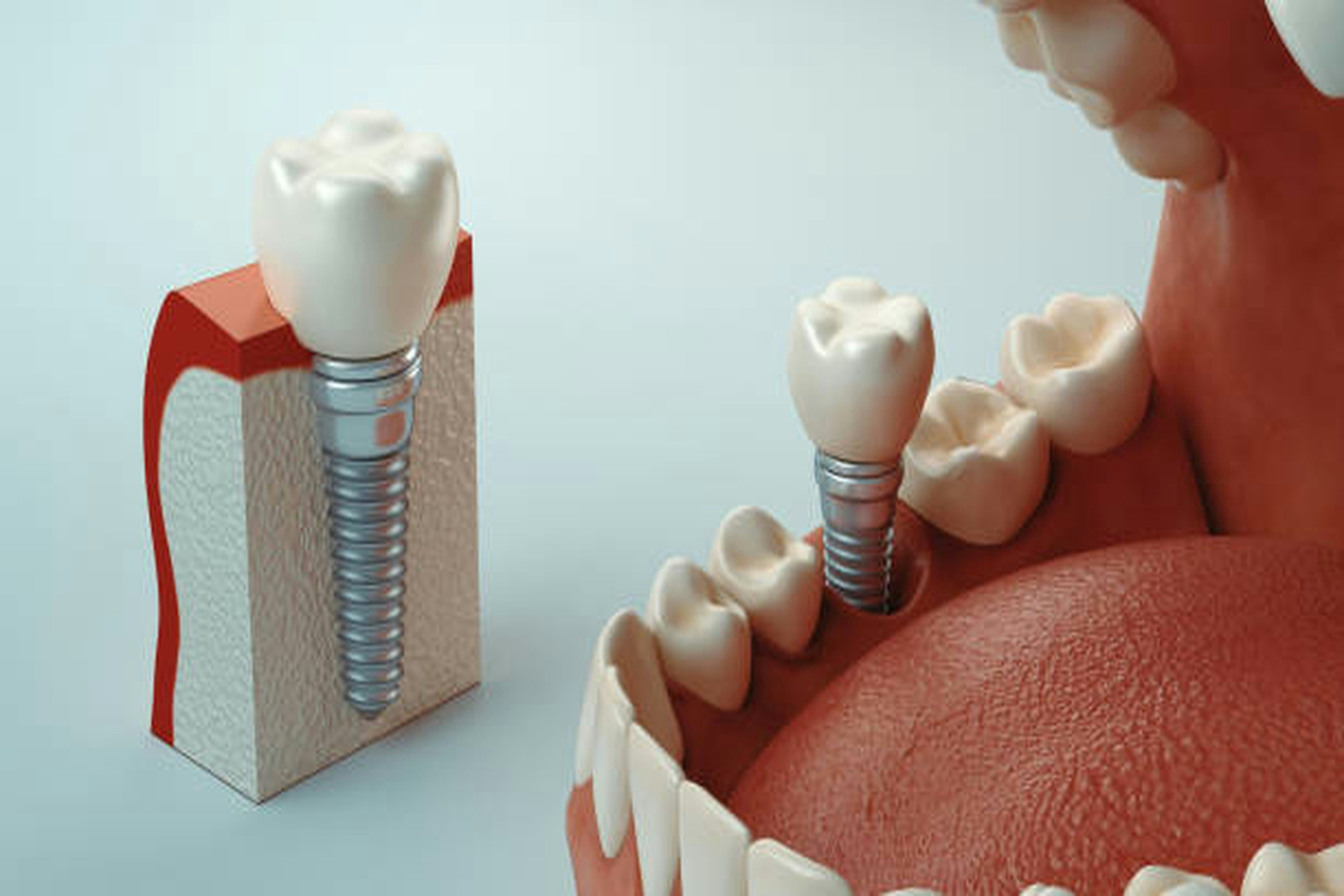
Dental implants are designed to replace missing teeth, but problems can sometimes develop during healing or after the final restoration has been placed. If an implant crown begins to move, the surrounding gums become swollen, or you notice an unexpected change around the implant, professional evaluation is important.
Not every implant problem means the implant has failed. A loose crown, inflammation of the surrounding gums, and a problem involving the implant itself are different conditions that may require different treatments.
If you notice a change in your dental implant, contact your implant dentist or another qualified dental professional. Emergency Dental Tulsa offers phone-based assistance for callers seeking dental appointments in Tulsa and surrounding communities.
Call (918) 727-7941 for help locating available dental care.
Which Dental Implant Problems Need Prompt Attention?
Dental implants consist of several components, including the implant fixture, the connecting abutment, and the visible crown or restoration. Problems can affect one component or several parts of the supporting structure.
Contact a dental professional promptly if you notice:
An implant crown or bridge that moves when you eat.
New swelling, redness, or bleeding around the implant.
Discharge or an unpleasant taste near the implant site.
A change in the way your teeth fit together.
A component that appears loose or has detached.
Difficulty chewing because the implant restoration no longer feels stable.
These symptoms do not confirm implant failure. However, they may indicate a mechanical problem, inflammation, infection, or another condition that requires assessment.
If an implant restoration becomes loose, avoid repeatedly testing it with your tongue or fingers. Do not attempt to tighten a screw or remove a component yourself.
Rapidly spreading facial swelling, difficulty swallowing, difficulty breathing, or another potentially life-threatening symptom requires emergency medical attention.
What Could Cause a Dental Implant to Become Loose or Inflamed?
Several conditions can produce changes around a dental implant. The dentist will need to determine whether the problem affects the crown, the surrounding tissues, or the implant itself.
1. A loose crown or abutment
The visible crown or the component connecting it to the implant may loosen. This can make the restoration move even when the implant fixture remains stable in the jawbone.
2. Inflammation around the implant
Bacterial plaque can contribute to inflammation of the soft tissue surrounding an implant. A condition called peri-implant mucositis affects the surrounding gum tissue and may cause redness or bleeding.
3. Peri-implantitis
In some cases, inflammation around an implant is accompanied by progressive loss of supporting bone. This condition, known as peri-implantitis, requires professional evaluation and treatment planning.
4. Problems with integration or mechanical stress
An implant may not integrate adequately with the surrounding bone, or excessive mechanical forces may contribute to complications. Teeth grinding, changes in the bite, and certain restoration-related issues may also need to be considered.
These possibilities cannot be distinguished reliably from symptoms alone. A dentist may examine the implant, assess the surrounding tissues, check the stability of the restoration, and obtain imaging when indicated.
What Treatments Might a Dentist Recommend?
Treatment depends on the cause of the problem and whether the implant fixture, the restoration, or the surrounding tissues are affected.
1. Repairing or securing the restoration
If the crown or abutment is loose while the implant fixture remains stable, a dentist may be able to tighten or replace the affected component. The provider must first determine why it loosened.
2. Professional cleaning and inflammation management
If inflammation is affecting the surrounding gum tissue, the dentist may recommend professional cleaning and improved implant-specific hygiene. Follow-up monitoring may be needed to assess whether the tissue improves.
3. Treatment for peri-implantitis
When an implant has inflammation accompanied by supporting bone loss, treatment may involve specialized cleaning of the implant surface, surgical management in selected cases, or other approaches based on the severity of the condition.
4. Repair or replacement of the implant restoration
A damaged crown or other prosthetic component may need repair or replacement. The dentist will assess whether the existing implant can continue supporting a restoration safely.
5. Implant removal in selected cases
If the implant is severely compromised and cannot be maintained predictably, removal may be considered. The decision depends on the condition of the implant, supporting bone, and surrounding tissues.
Antibiotics may be considered in selected situations when clinically indicated, but they are not a substitute for treating the underlying cause. Not every implant complication requires medication or implant removal.
The dentist will explain the findings and available options before recommending treatment.
What Should You Do Before Your Implant Appointment?
Taking precautions can help avoid additional stress on the implant while you arrange an examination.
Avoid chewing hard foods on the affected side.
Do not wiggle, twist, or attempt to tighten the implant restoration.
Keep the area clean with gentle brushing.
Follow the implant-specific cleaning instructions previously provided by your dentist.
Avoid applying household adhesives or unapproved products around the implant.
Contact your dental provider promptly and describe the change you have noticed.
If a crown or other removable component detaches, keep it in a clean container and bring it to your appointment. Do not try to force it back into position.
If the implant was placed recently, follow the postoperative instructions provided by your treating dentist. New swelling, drainage, or worsening symptoms should be reported promptly.
Where Can You Find Emergency Dental Care in Tulsa?
A dental implant complication may require assessment by a dentist experienced in implant restorations or implant surgery. Not every emergency dental provider offers these specialized services, so confirm the provider's capabilities when arranging an appointment.
Emergency Dental Tulsa advertises phone support to help callers locate dental providers in Tulsa and nearby communities, including Broken Arrow, Owasso, Jenks, and Bixby.
When calling, explain whether the crown is loose, the gums are swollen, or the implant itself appears to move. Mention when the implant was placed and whether symptoms have recently changed.
Call (918) 727-7941 for assistance finding dental care. The service advertises 24-hour phone support, but appointment availability and implant-specific treatment capabilities must be confirmed with the individual provider.
Take Action When Your Dental Implant Changes
A loose implant crown, swollen gum tissue, or a change in the way your implant feels can have several explanations. Early professional assessment can help determine whether the problem is limited to the restoration or involves the surrounding tissues or supporting bone.
Do not attempt to repair the implant yourself or ignore new symptoms because the restoration is still usable.
If you are in Tulsa, Broken Arrow, Owasso, Jenks, or Bixby, contact Emergency Dental Tulsa for help locating an appropriate dental provider.
Call (918) 727-7941 for appointment assistance and guidance on finding care.
Disclaimer: This article provides general information only and should not be construed as professional medical or dental advice, diagnosis, or treatment. Always consult with a licensed dentist or healthcare provider regarding any dental emergency or medical condition.

Professional Patio Paver Installations
We are available via fax, email or telephone
Spokane Valley & North Idaho's #1 Paving Stone Specialists!


Privacy Policy | Terms & Conditions | Disclosure
Navigation
Home
About
Blog
Contact Us
Services
Home
About
Blog
Contact Us
Working Hours
Mon - Wed 9:00 am - 9:00 pm
Thu - Sat 9:00 am - 7:00 pm
Sunday 9:00 am - 2:30 am
© 2024 All Rights Reserved | Spokane Pavers & Patios